
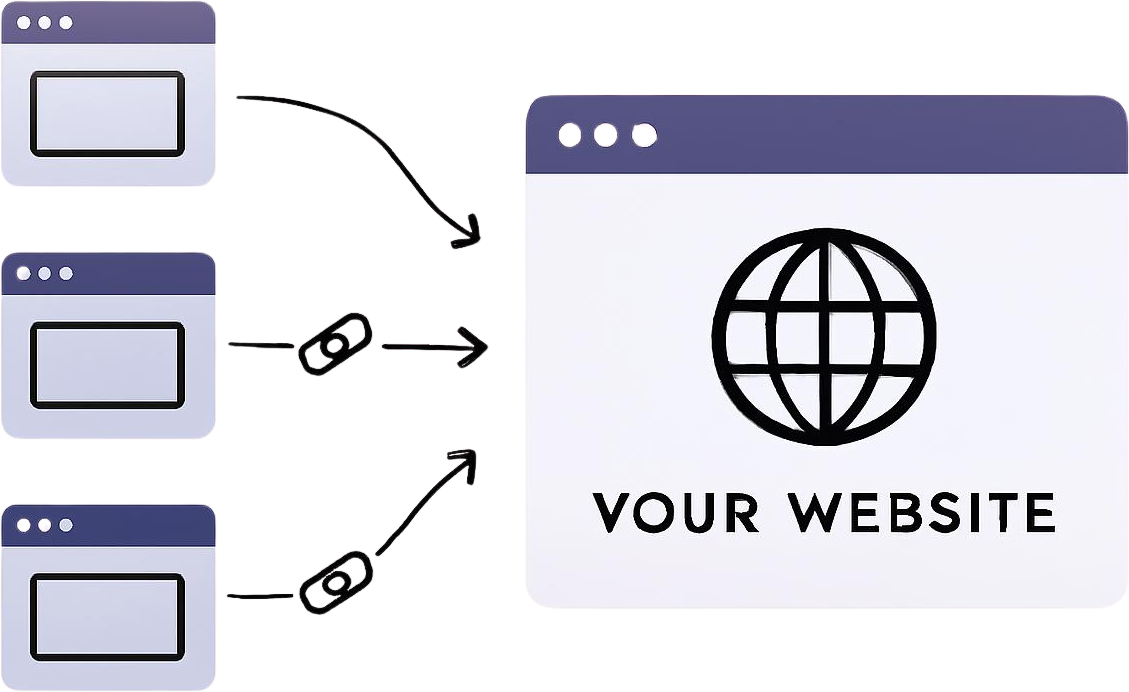
If you’ve spent any time researching SEO, you’ve probably come across the term “link building” more than once. It’s one of those concepts that sounds simple on the surface — get other websites to link to yours — but it actually sits at the heart of how search engines decide which pages deserve to rank on page one. In this guide, we’ll break down exactly what link building is, why it still matters in 2026, and how you can build a strong, sustainable backlink profile without risking a Google penalty.
What Is Link Building in Digital Marketing?
Link building is the process of acquiring hyperlinks (commonly called backlinks) from other websites that point back to your own site. In digital marketing, it falls under the umbrella of off-page SEO — the activities you do outside your own website to improve how search engines and users perceive it.
Every backlink acts like a small vote of confidence. When a reputable website links to your page, it’s essentially telling Google, “this content is worth referencing.” The more high-quality votes a page collects, the more trustworthy and authoritative it appears to search engines, which in turn helps it climb the search engine results pages (SERPs).
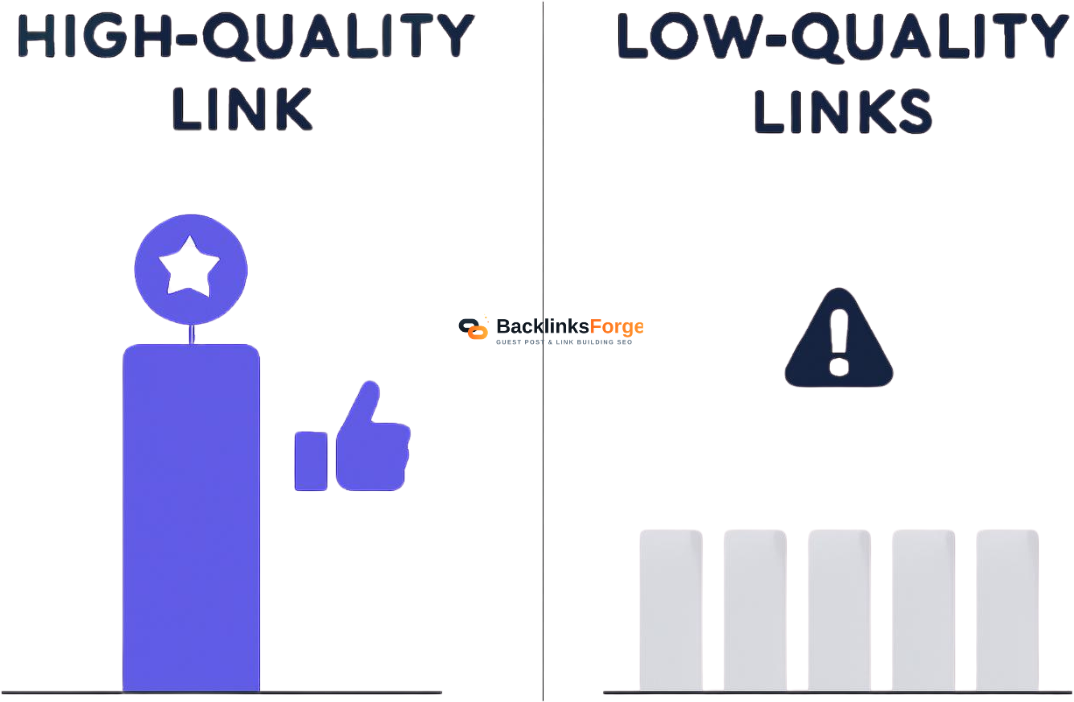
But link building today is about much more than collecting as many links as possible. Modern search algorithms are far more sophisticated than they were a decade ago. They evaluate the relevance, authority, and context of every link, not just its existence. That’s why a single backlink from a respected, niche-relevant publication can outweigh dozens of links from random, low-quality directories.
Why Is Link Building Important for SEO?
Search engines like Google use hundreds of ranking factors, but backlinks remain one of the most influential. Here’s why link building continues to be a cornerstone of any serious SEO or content marketing strategy:
1. It Helps Search Engines Discover Your Content
Search engine crawlers (bots) move across the internet by following links from one page to another. If your website has no inbound links at all, it becomes much harder for crawlers to find, index, and understand your pages — no matter how good your content is.
2. It Builds Domain Authority and Trust
Metrics like Domain Authority (DA) and Domain Rating (DR) are heavily influenced by the quantity and quality of referring domains pointing to a site. A strong backlink profile signals to search engines — and to human visitors — that your website is a credible source of information in its niche.
3. It Drives Referral Traffic
Beyond SEO value, links placed on relevant, high-traffic websites can send real visitors directly to your site. This is often called referral traffic, and it’s a bonus benefit of link building that many marketers overlook while focusing purely on rankings.
4. It Improves Brand Visibility and Credibility
Getting featured or mentioned on respected industry websites doesn’t just help your SEO — it builds brand recognition. Over time, consistent digital PR and guest posting efforts position your brand as an authority in your space.
5. It Supports Faster Indexing of New Content
Search engines tend to crawl and index pages faster when those pages are linked from already-trusted, frequently-crawled websites.
How Do Backlinks Actually Work?
To understand link building, it helps to understand the concept of link equity, sometimes called “link juice.” When one page links to another, it passes on a portion of its own authority and trust to the linked page. A link from a high-authority site (think a major news outlet or an established industry blog) passes significantly more equity than a link from a brand-new, low-traffic blog.
This is why SEO professionals don’t just chase the number of backlinks — they focus on the quality of the linking domain, its topical relevance to your niche, and the placement of the link within the content (a link buried in a footer carries far less weight than one placed naturally within the body of an article).
Types of Links You Should Know
Internal Links vs. External Links
- Internal links connect different pages within your own website. They help distribute authority across your site and guide visitors (and search engine crawlers) to related content.
- External links (backlinks) come from other domains and point to your website. These carry more SEO weight because they act as third-party endorsements.
Dofollow vs. Nofollow Links
- Dofollow links pass link equity and directly contribute to your SEO rankings. This is the default type of link unless specified otherwise.
- Nofollow links contain a rel=”nofollow” tag, telling search engines not to pass authority through that link. Common on social media platforms, forums, and paid content. While they don’t directly boost rankings, nofollow links still contribute to referral traffic and a natural-looking link profile.
Natural, Manual, and Self-Created Links
- Natural links happen organically when someone finds your content valuable and links to it without being asked.
- Manual/outreach links are earned through deliberate efforts like guest posting, digital PR, or influencer collaborations.
- Self-created links are added by you, such as in blog comments, forum signatures, or business directories. These carry the least value and, if overused, can look manipulative to search engines.
White Hat vs. Black Hat vs. Grey Hat Link Building
Understanding link building strategy also means understanding the ethics behind it:
- White hat link building follows search engine guidelines. It relies on creating genuinely valuable content, building real relationships, and earning links naturally or through legitimate outreach like guest posting and digital PR.
- Black hat link building uses manipulative tactics such as buying links in bulk, using private blog networks (PBNs), or link farms to artificially inflate authority. These tactics violate Google’s spam policies and can result in manual penalties or a complete drop in rankings.
- Grey hat link building sits somewhere in between — tactics that aren’t explicitly against the rules but carry some risk, such as aggressive guest posting on low-quality sites purely for links rather than value.
For any brand that wants sustainable, long-term SEO growth, white hat link building is the only strategy worth investing in.
Key Link Building Metrics You Should Track
When evaluating whether a link (or a potential linking site) is worth pursuing, SEOs typically look at:
- Domain Authority (DA) / Domain Rating (DR) – a score predicting how well a domain is likely to rank
- Referring Domains – the number of unique websites linking to you (more valuable than raw backlink count)
- Anchor Text Distribution – the clickable text used in a link; a healthy link profile has a natural mix of branded, generic, and keyword-based anchor text
- Topical Relevance – how closely related the linking site’s niche is to yours
- Traffic of the Linking Site – sites with real organic traffic tend to pass more value than low-traffic, link-only websites
- Link Placement – contextual, in-content links outperform sidebar or footer links
Effective Link Building Strategies That Actually Work
1. Guest Posting
Writing high-quality articles for other reputable websites in your industry, in exchange for a backlink to your site, remains one of the most reliable and scalable white hat link building strategies. The key is targeting sites that are genuinely relevant to your niche and have real audiences, rather than mass-producing low-value content on random blogs.
2. Digital PR and HARO-Style Outreach
Pitching your brand’s data, research, or expert commentary to journalists and bloggers can earn you high-authority editorial backlinks — the kind search engines value the most.
3. Broken Link Building
This involves finding dead (404) links on other websites and suggesting your own relevant content as a replacement. It’s a win-win: the site owner fixes a broken link, and you earn a backlink.
4. The Skyscraper Technique
Find existing top-ranking content on a topic, create something noticeably more comprehensive or up-to-date, and reach out to sites linking to the original piece, suggesting they link to your improved version instead.
5. Resource Page Link Building
Many niches have curated “resource” or “useful links” pages. If your content genuinely fits, reaching out to be included can earn a relevant, contextual backlink.
6. Creating Linkable Assets
Original research, industry studies, infographics, tools, and templates naturally attract backlinks because other content creators want to cite original, valuable data.
7. Testimonials and Case Studies
Offering a genuine testimonial to a tool or service you use often earns a backlink from that company’s website, especially if they showcase customer testimonials publicly.
Common Link Building Mistakes to Avoid
- Chasing quantity over quality – ten links from irrelevant, spammy sites do far less than one link from a trusted, relevant authority.
- Over-optimized anchor text – repeatedly using the exact same keyword-rich anchor text looks manipulative to search engines.
- Buying links in bulk – a direct violation of Google’s guidelines that can trigger manual penalties.
- Ignoring relevance – a backlink from a site completely unrelated to your industry provides little SEO value and can even look suspicious.
- Neglecting internal linking – while external links get most of the attention, a solid internal linking structure is just as important for distributing authority across your site.
Link Building in the Age of AI and LLM Search
Search itself is evolving. AI-driven platforms like Google’s AI Overviews, ChatGPT, and Perplexity don’t rely purely on backlink counts to determine what’s trustworthy. They increasingly evaluate E-E-A-T (Experience, Expertise, Authoritativeness, Trustworthiness), structured data, brand mentions, and consistency across the web.
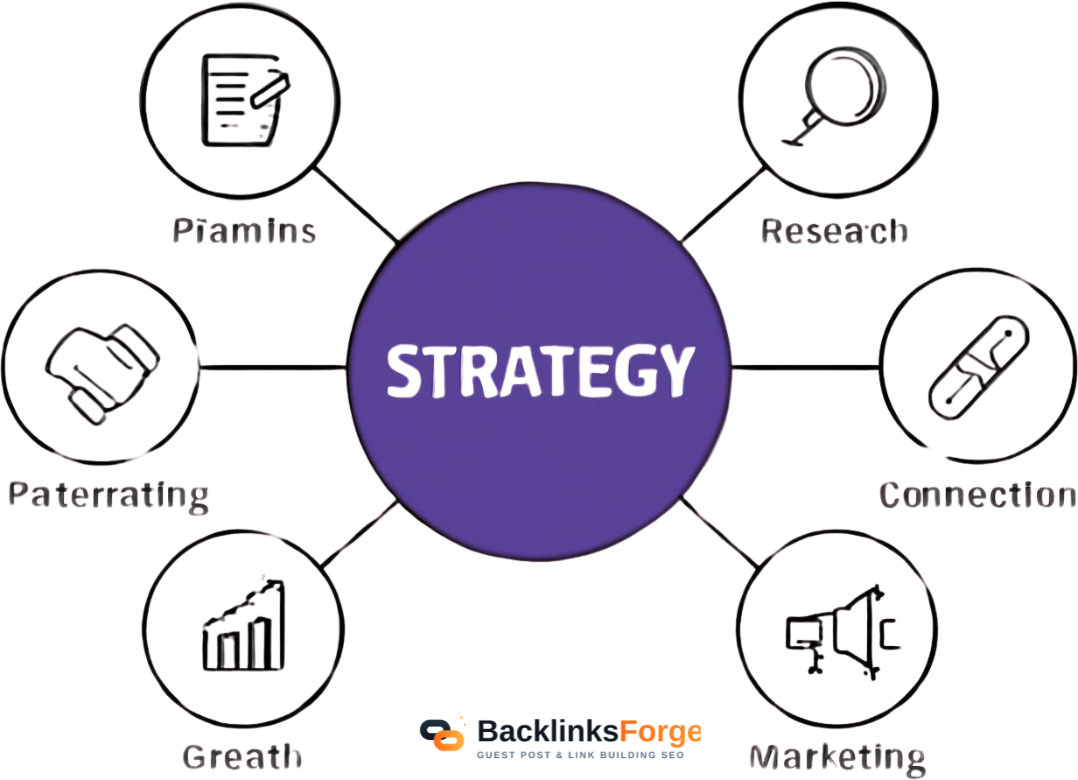
This means link building strategy is shifting toward a broader concept: digital authority building. Backlinks are still a major trust signal, but they now work alongside unlinked brand mentions, author credibility, schema markup, and consistent citations across multiple platforms. Building a recognizable, cited, and consistently mentioned brand — not just a pile of backlinks — is what will drive visibility in both traditional search and AI-generated answers going forward.
Final Thoughts
Link building in digital marketing isn’t a one-time task — it’s an ongoing strategy that combines quality content creation, genuine outreach, and relationship building. The websites that win long-term aren’t the ones that collect the most links; they’re the ones that earn links from relevant, authoritative, and trustworthy sources because their content genuinely deserves to be cited.
If you focus on creating content worth linking to, building real relationships through guest posting and digital PR, and steering clear of manipulative shortcuts, your backlink profile will grow naturally — and so will your search engine rankings, organic traffic, and brand authority.